
 Swansea Family
History
Swansea Family
History
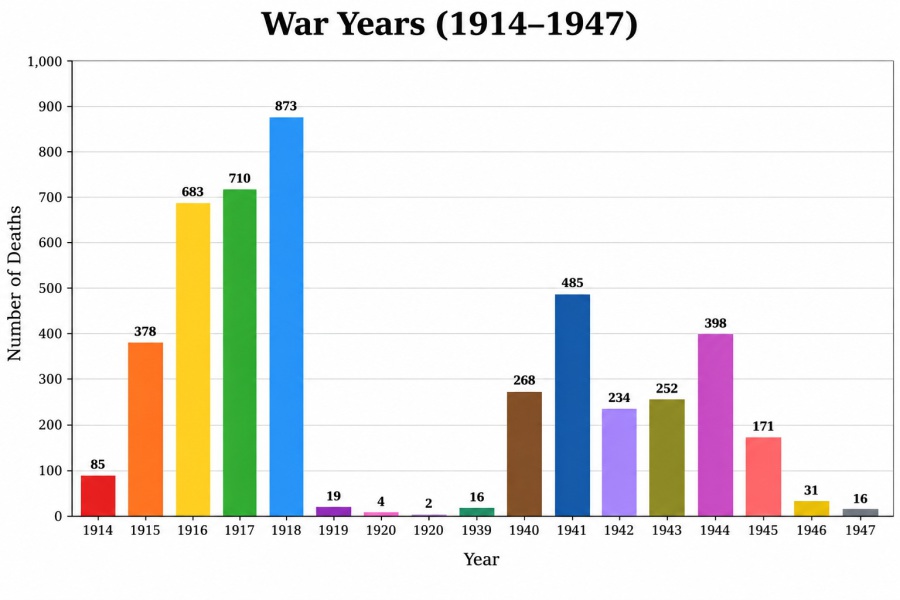
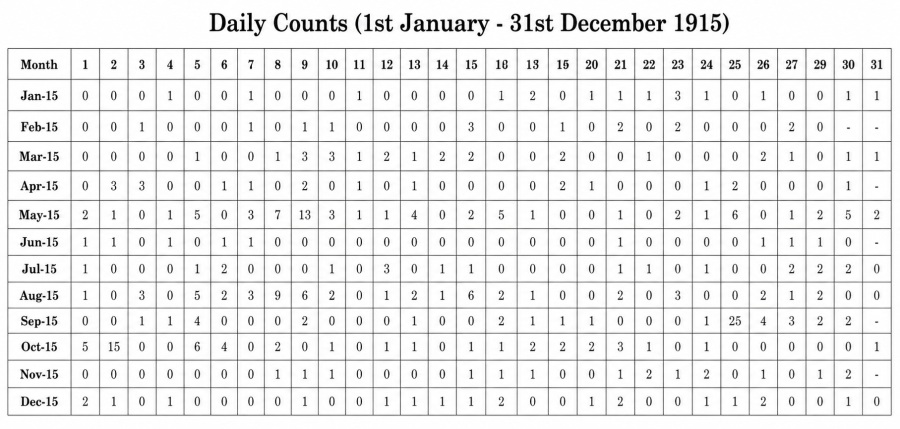
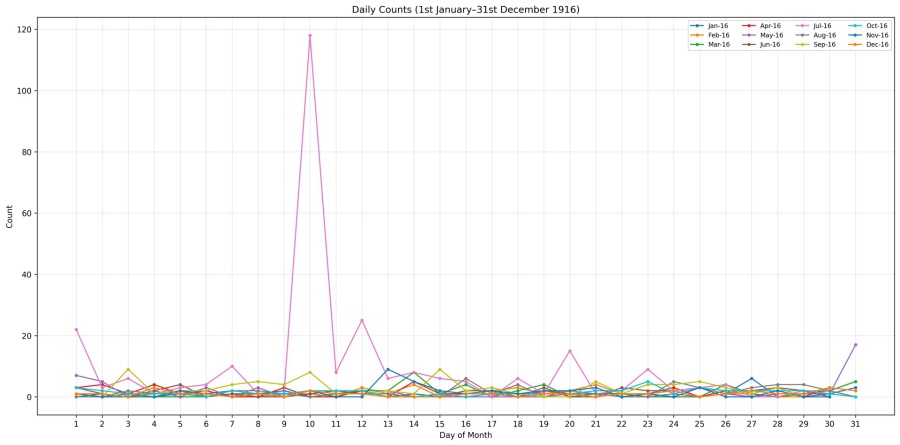
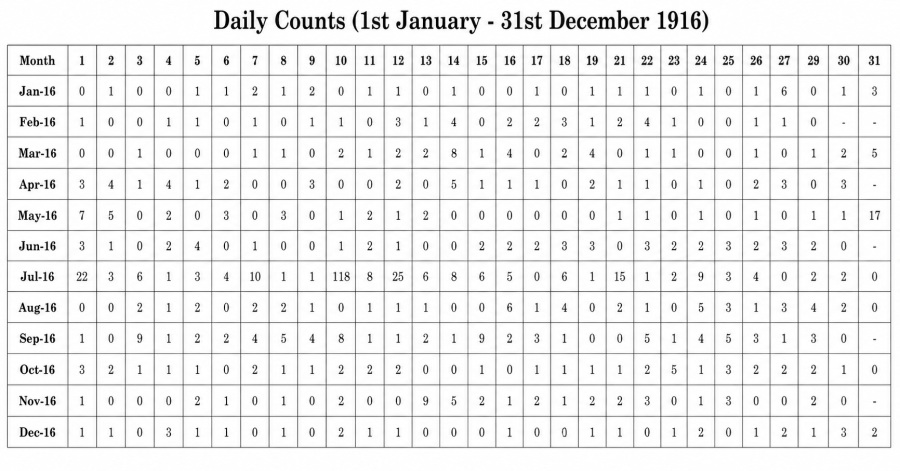
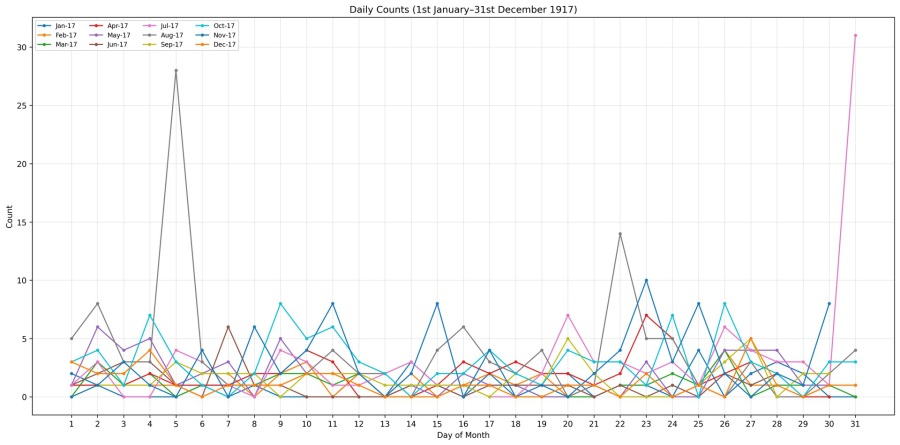
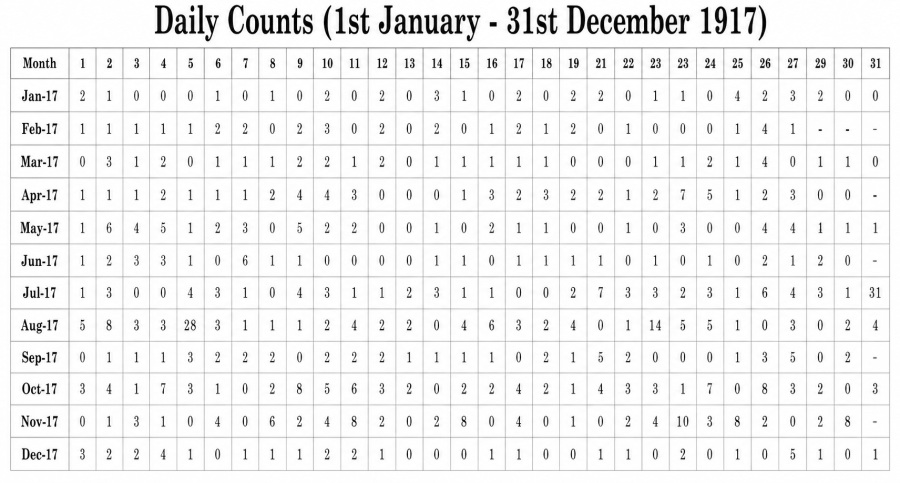
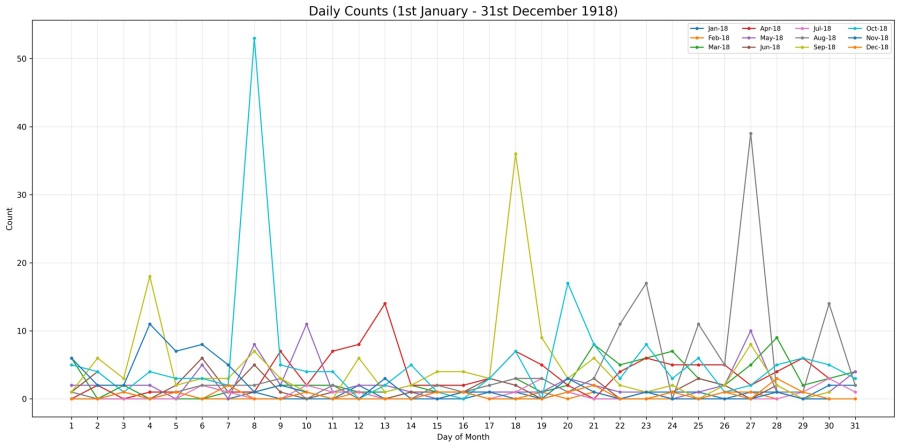
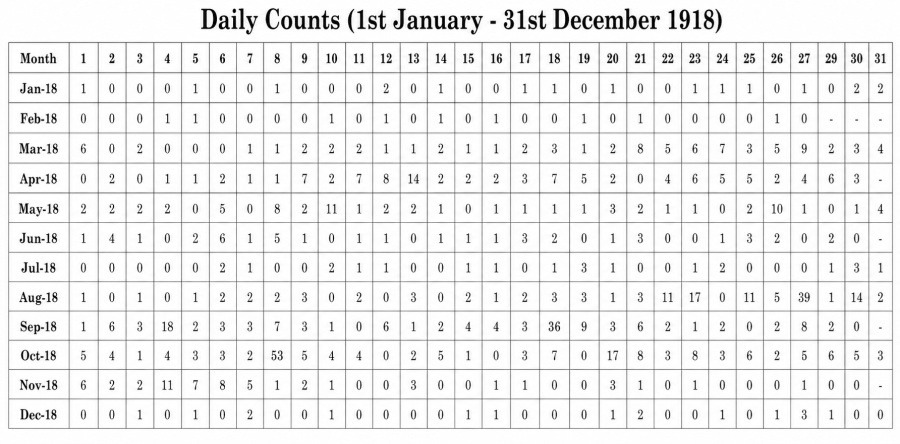
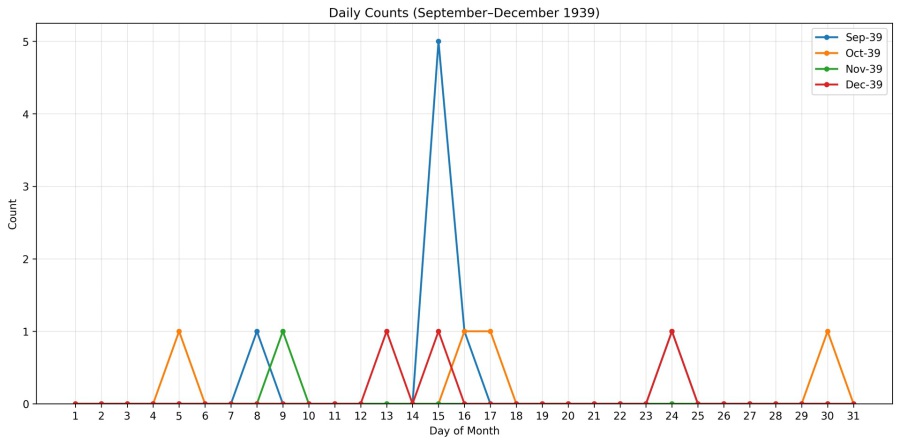
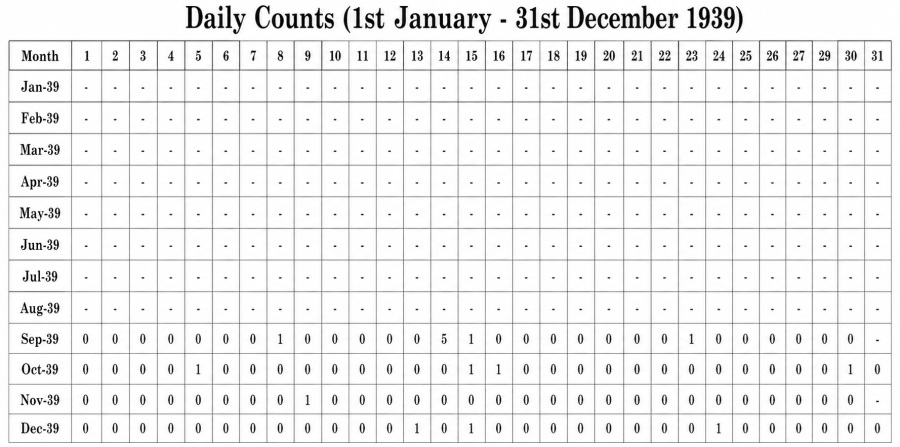
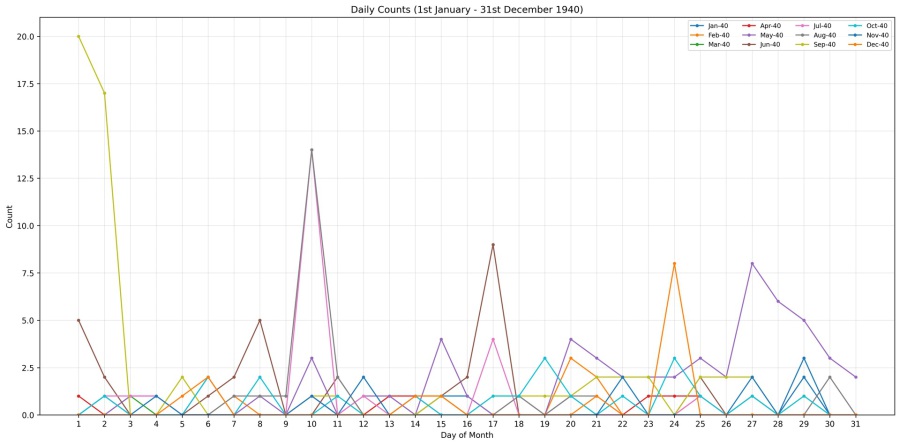
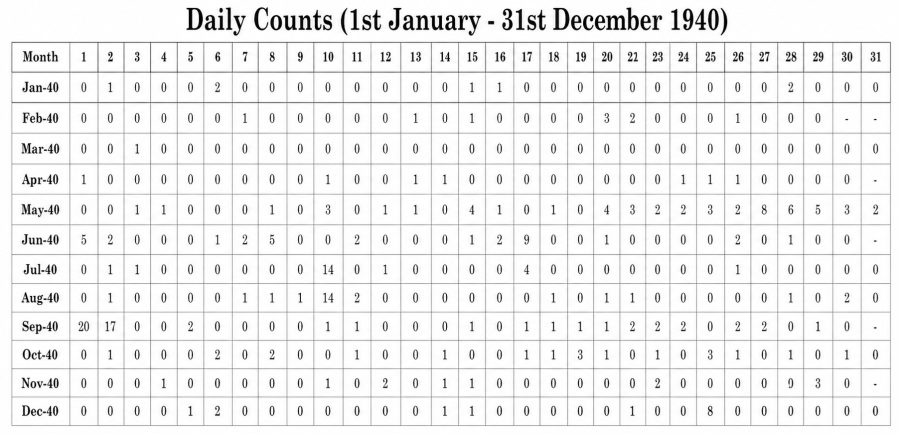
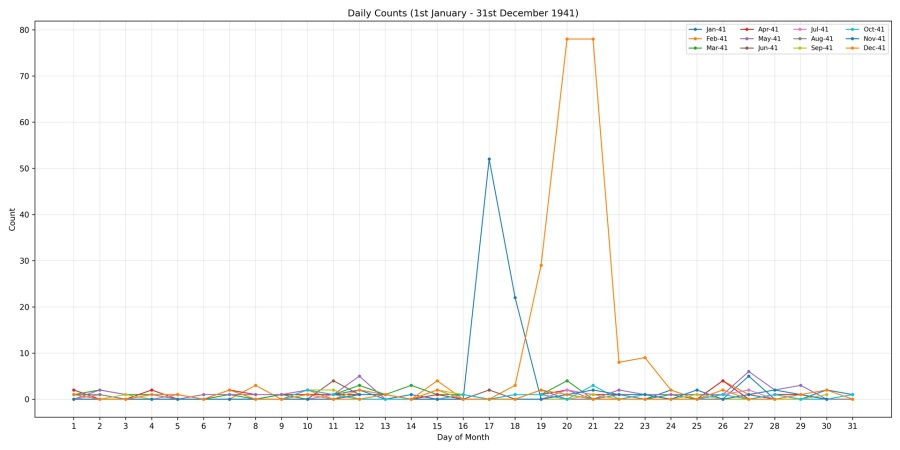
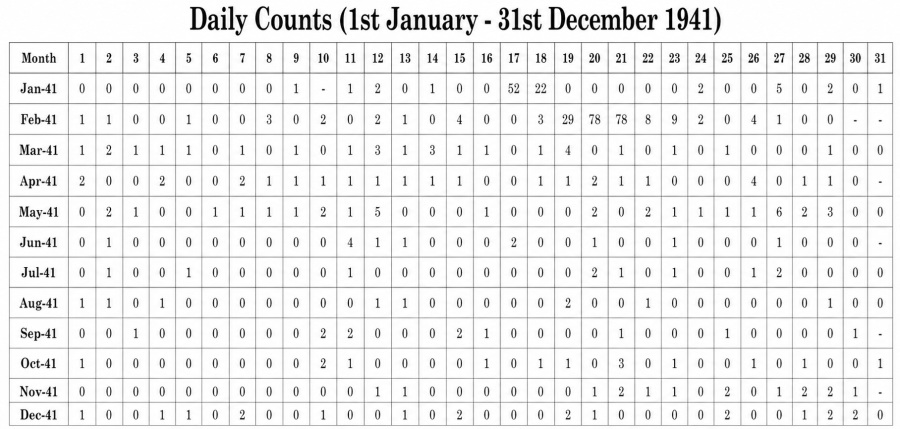
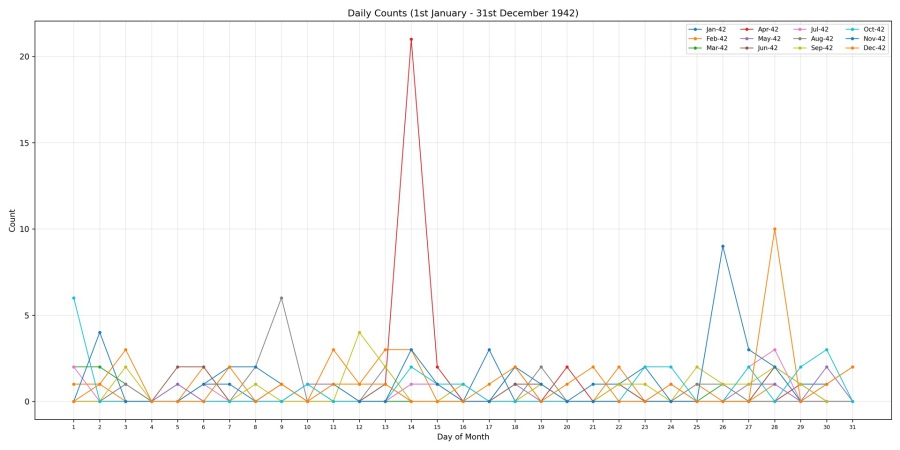
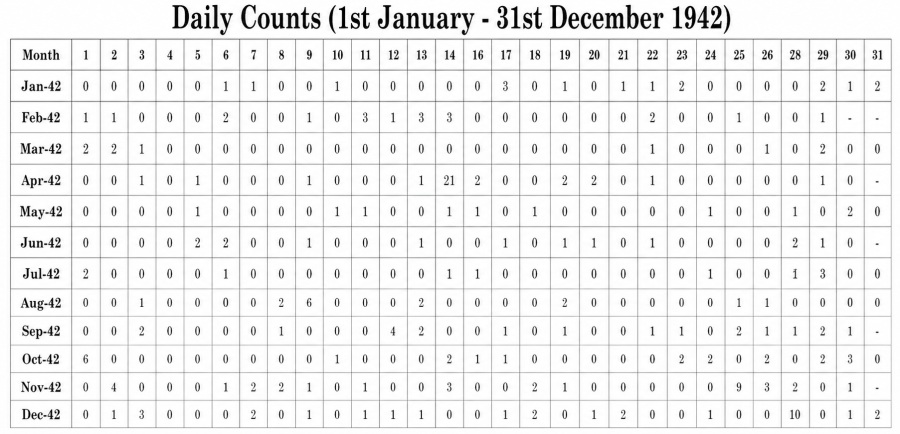
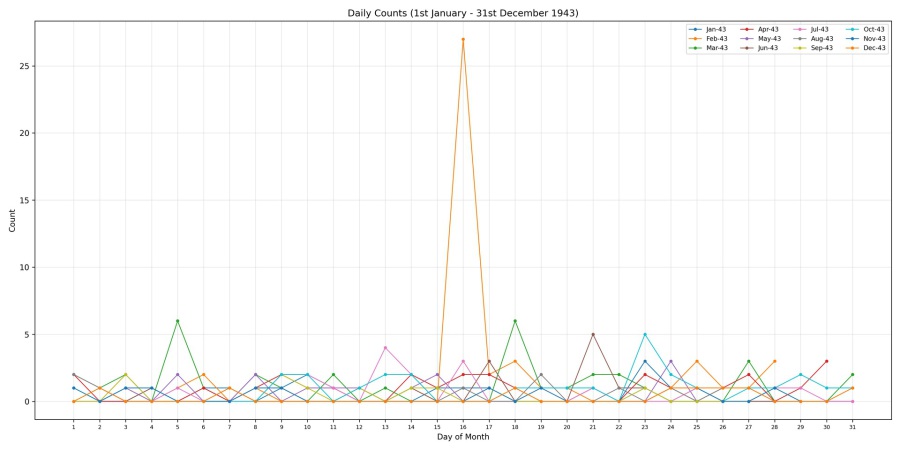
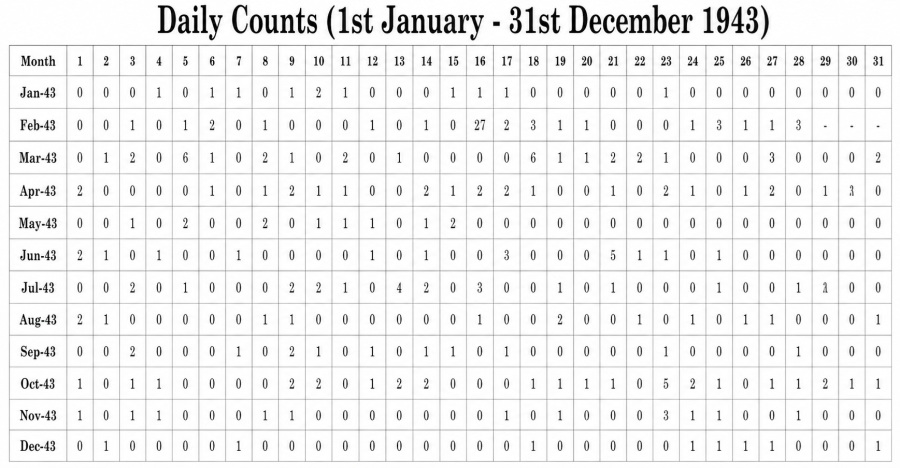
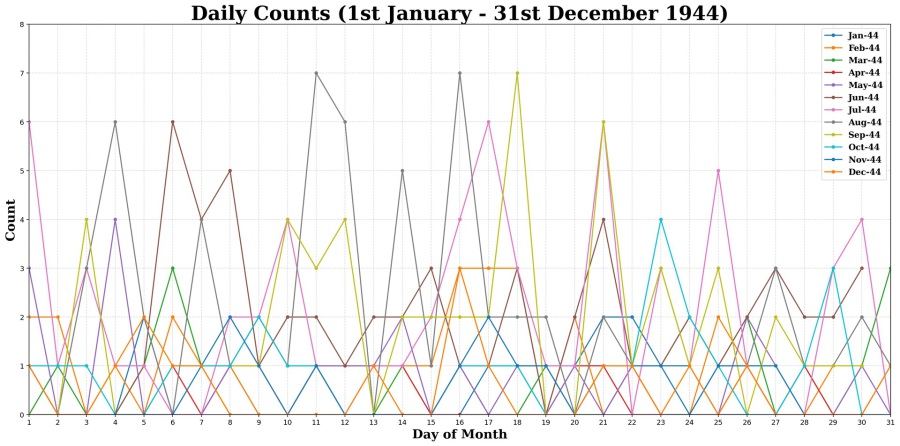
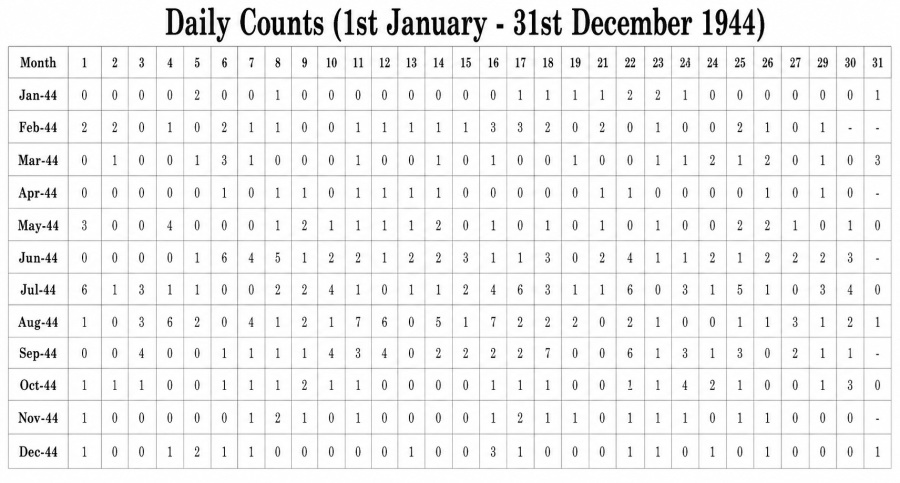
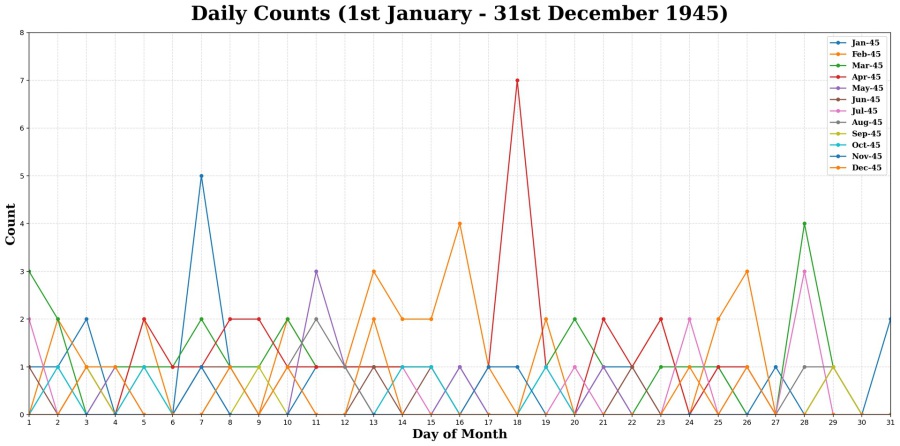
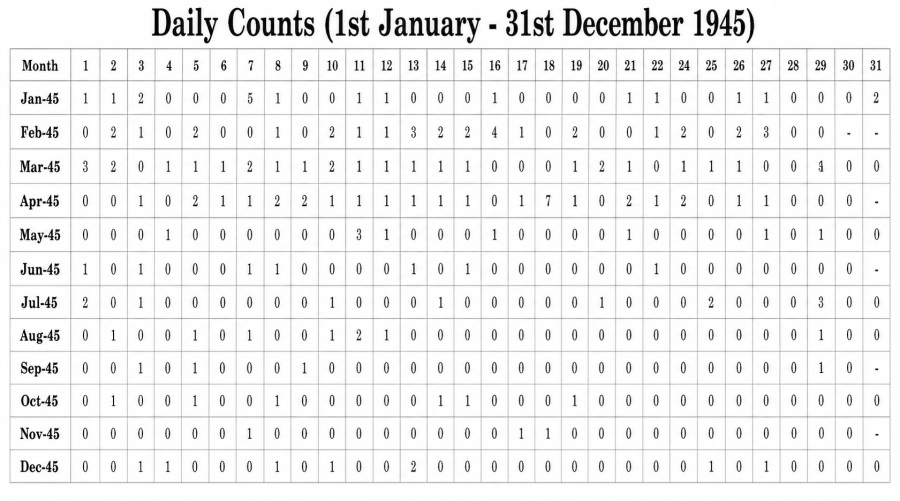
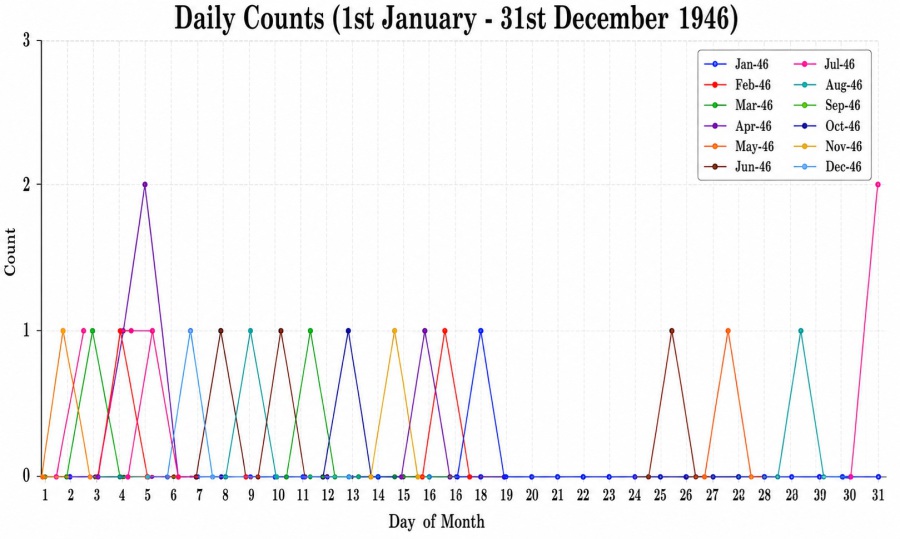
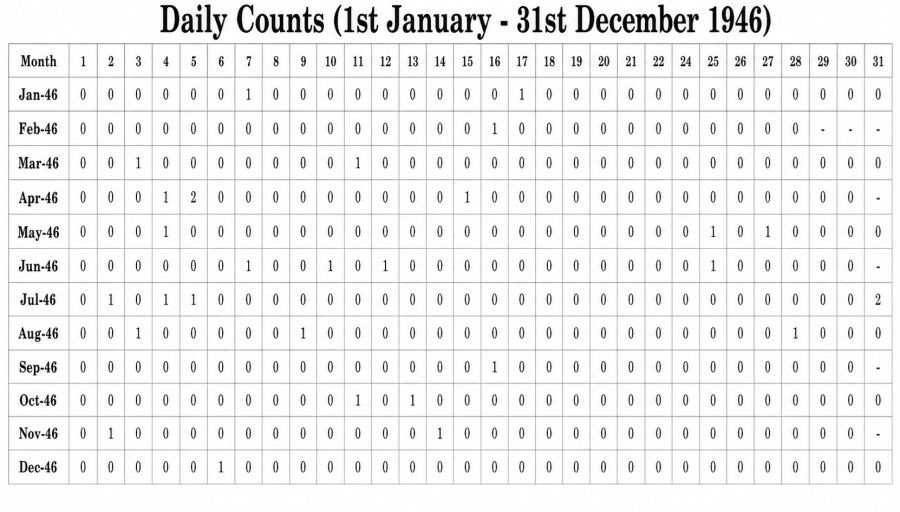
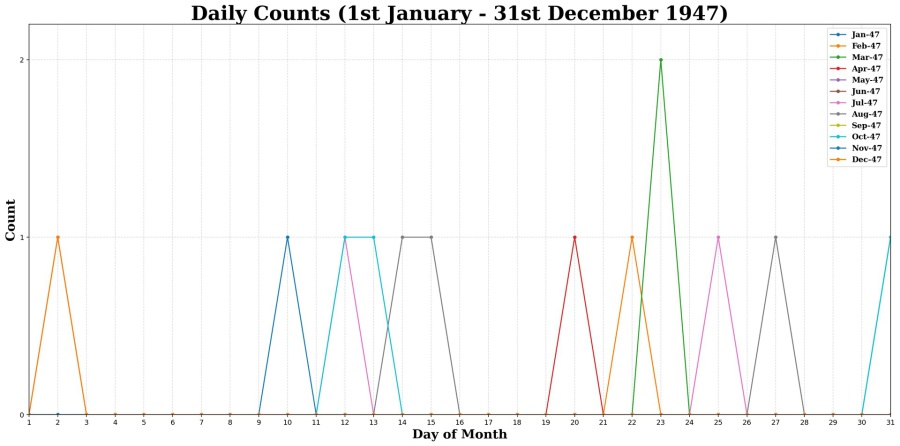
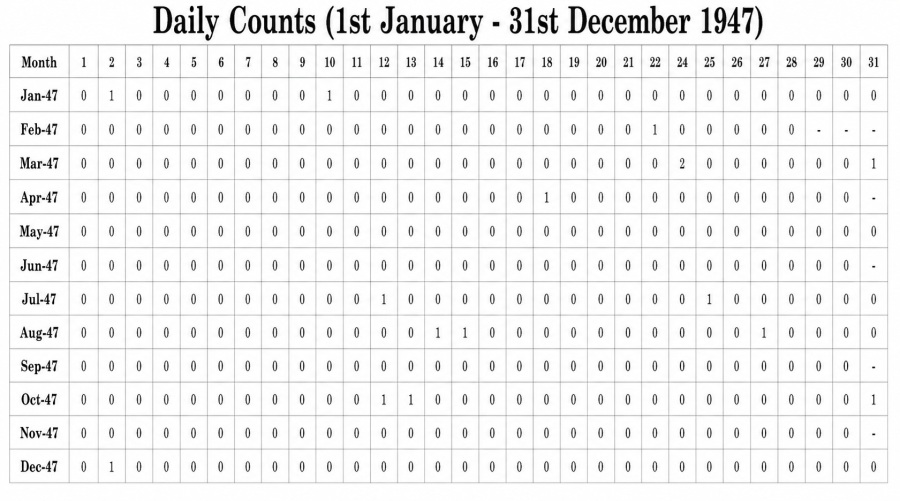
The numbers sketch a century of loss rising and falling with the tides of history. The early war years climb sharply — from 85 in 1914 to a devastating 873 in 1918 — reflecting the brutal crescendo of the First World War and the sacrifice of Swansea’s service men and women across every branch of the military, from the Western Front to the distant naval theatres that drew the town’s sons into global conflict. After the armistice, the figures collapse almost to silence, holding at single digits through the 1920s as the world — and Swansea with it — tries to steady itself. Then the world fractures again: 1939–1945 surge upward, peaking at 485 in 1941 and 398 in 1944, the unmistakable imprint of the Second World War on Swansea’s own ledger — a record not only of those in uniform, but also of the civilians whose lives were claimed in the Blitz and the wider home‑front struggle. By 1946 and 1947, the numbers fall back to 31 and 16, quieter but still echoing the long shadow of conflict across the city. Even the small Unknown (2) reminds us that some stories never fully return home.
First World War
Second World War
 Print
Print